Your next customer could be searching for exactly what you do. The question is whether your website helps them find you, understand your services, and take the next step.
Savage Web Solutions provides local SEO services for small businesses that want a clearer plan for improving their Google visibility. We connect website improvements, useful content, and ongoing search analysis to the services and areas that matter to your business.
Tell us what you do, where you work, and which services you want more inquiries for.

You don’t need to know which SEO task comes first. Start with the business problem, and we’ll work through the priorities together.
A website can look perfectly fine and still struggle to attract relevant searches. These are some of the reasons business owners start looking for local SEO help.

People can find you by name, but searches for your actual services tell a different story. Customers who don’t already know you may never reach your website.

Other businesses show up for the work you want. Understanding what those results offer can help identify gaps worth addressing on your own website.

Your website gets few visits from unpaid search. The starting point is checking which pages appear, which searches they match, and where the opportunities are.

A short list on your homepage may not explain everything you offer. Customers need enough detail to understand the service and decide whether it fits.

You appear for some searches but not others, especially across different areas. Location, the search itself, and the businesses competing all affect what people see.

Traffic alone doesn’t pay the bills. Unclear services, weak contact options, or visitors looking for something else can leave your inbox quieter than you’d like.
Local SEO connects the searches your customers make with the information your business provides. These are the areas we can work on, with priorities and deliverables agreed for your plan.
Identify searches connected to your services, customers, and real service areas. Prioritize relevant opportunities instead of chasing traffic that has little to do with your business.
Improve titles, headings, content structure, and internal links so important pages explain their purpose clearly to visitors and search engines.
Develop useful pages for specific services and genuine markets. Give each page enough substance to help a customer, rather than repeat the same copy.

Investigate indexing, navigation, and other technical concerns that affect important pages. Focus the work on problems that matter to your website.
Consider your website alongside your Google Business Profile. Identify where accurate information or focused profile work belongs in the wider plan.
Review completed work and available performance data. Adjust priorities as we learn more about your pages, your market, and the customers you want.
Share your website, your services, and the areas you want to reach. We’ll discuss where local SEO could help.
Referrals are valuable, but they aren’t the only way people choose a business. Local SEO for small businesses helps connect what you offer with people researching their next purchase or service provider.
People who haven't heard your name still search for the services you provide. Relevant search visibility gives them another way to discover your business.
Your website helps people compare options before contacting anyone. Clear answers about services, coverage, and next steps can make that research more useful.
Services, competition, and customer questions change. Ongoing SEO provides a way to revisit priorities instead of leaving the website frozen at launch.
Google can show website pages and local map results for the same search. Improving one doesn’t automatically fix the other. A useful strategy considers where your customers search and what information they need.
Google’s local ranking guidance describes relevance, distance, and prominence as key factors for local results. Those factors aren’t a complete explanation of how ordinary website results are ranked.
Your pages should clearly explain the services people are looking for. Research helps connect their wording and questions with useful information about your business.
Local results depend partly on where the searcher is. Serving a city doesn’t guarantee a map position there, and adding city names everywhere won’t remove that limitation.
Once someone visits, they still need to choose you. Clear service details, relevant examples, and an easy way to contact your business support that decision.
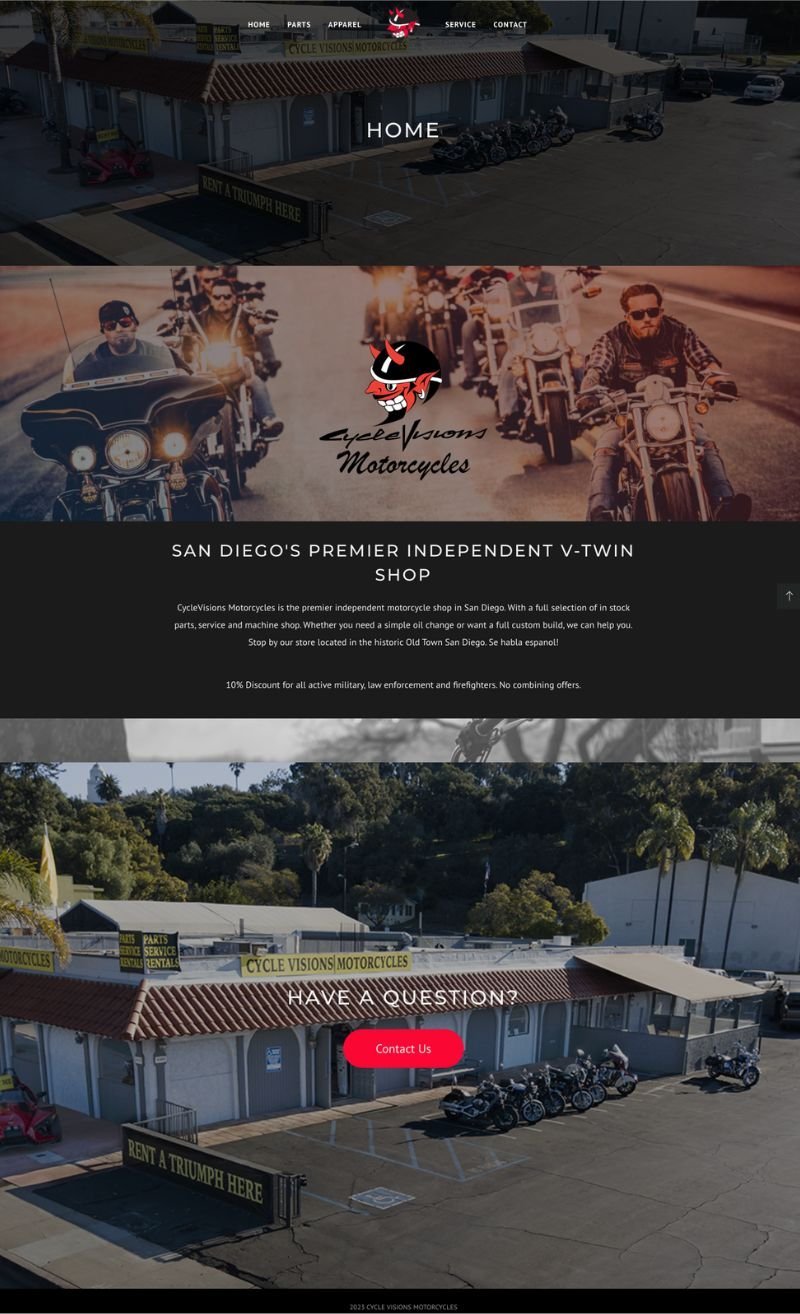
The website examples below show changes in presentation and layout. They aren’t ranking reports or evidence of increased traffic.
They do highlight another part of the customer journey: what people see after they arrive. Your local SEO strategy should account for a website that explains your work clearly and makes the next step easy to find.
There’s more to ongoing SEO than choosing keywords. Here’s how research, website work, local information, and performance reviews fit together. Your agreement defines which tasks are included.
Research starts with your services, your customers, and the areas you genuinely cover. We look at the language people use and what the search results suggest they’re trying to accomplish. Someone researching a repair may need different information from someone ready to request a quote.
The goal is to identify useful opportunities, not collect the longest possible keyword list. Priorities should reflect the work you want, the pages you already have, and the competition for those searches. A popular phrase isn’t automatically the right target for your business.
On-page work can include titles, headings, page structure, internal links, and clearer explanations of your services. The content still needs to sound like you and help someone make a decision. Repeating a phrase until it becomes awkward doesn’t make the page more useful.
Service and location pages need their own purpose. We look for genuine differences in the work, customer questions, or area served instead of duplicating a page and swapping city names. If writing is your main need, Content & SEO Strategy is also available as a focused service.
Technical SEO looks at whether search engines can access and understand relevant pages. Work may involve indexing concerns, internal navigation, duplicate URLs, redirects, or issues that make important content difficult to reach.
The findings determine what needs attention. A full rebuild isn’t the default answer, and every warning in an automated report doesn’t deserve equal priority. Google’s SEO Starter Guide provides a useful introduction to the basics. Larger development problems may need a separately scoped website repair before ongoing optimization can move forward.
Your Google Business Profile gives customers another way to find and evaluate your business. Accurate categories, service information, hours, and website details deserve attention alongside your site.
Profile work and website optimization are connected, but they aren’t interchangeable. A profile review may identify a focused cleanup project, while a wider campaign may involve pages, technical work, and ongoing analysis. Your plan should say whether profile changes or ongoing management are included. You can also request Google Business Profile optimization on its own.
Ongoing local SEO services need a record of what changed and what happened afterward. Reviews can include relevant searches, page visibility, organic visits, and tracked inquiries where reliable tracking is available.
We use that information to discuss the next priorities rather than repeat the same checklist indefinitely. Some pages may need better explanations; others may need a different focus or more time to evaluate. Reporting should separate work completed from outcomes observed, and explain what remains uncertain. A rise in impressions is useful context, but it isn’t the same thing as a new customer.
You don’t need an SEO diagnosis before reaching out. Tell us what you’d like your website to do better.
Explore our portfolio for examples of how we present services, organize information, and build websites for real businesses. These projects show website work, not promised search results.
For your local SEO project, we’ll discuss the actual improvements your site needs and how to evaluate them.
A monthly SEO plan should make the work understandable. You’ll know the priorities, which deliverables are included, and how progress will be reviewed. Additional projects should be discussed before they become additional work.
Review the website and available search data. Connect the initial priorities to your services and business goals.
Agree on the page, content, and technical work the plan covers, including dependencies and approval needs.
Discuss completed work, observed changes, and the next priorities without treating every number as a result.
The right service depends on where the problem sits. Sometimes your immediate need is accurate business information. Sometimes your website needs a coordinated plan for services, content, and ongoing improvements.
We can discuss the starting point without assuming you need every service at once. Local SEO services make sense when the work extends beyond a single profile task.
A focused service for improving the information and presentation of your Google Business Profile. It may be the right starting point when your listing needs attention but you aren’t ready for a wider website campaign.
A broader approach that considers your website, services, search opportunities, and performance over time. The plan coordinates agreed improvements instead of treating each page as an unrelated task.
Start with the part you already know. We can help clarify the rest.
Let’s discuss your services, target areas, and what you’d like to improve through local SEO services.
Explore focused help with your business information and profile before deciding on a broader campaign.
We start with your business, then work through the website and search information available. You don’t need to arrive with a keyword spreadsheet or a list of technical fixes.
Discuss your services, markets, website, and available performance data. Research helps identify the opportunities and problems that belong in the initial plan.
Make the approved page, content, and technical improvements. Access, approvals, and outside dependencies are addressed as part of the work, with larger additions scoped separately.
Look at completed work and relevant performance changes. Use what we learn to adjust priorities, explain the next steps, and keep the plan connected to your business goals.
Choosing a local SEO company is also choosing who you’ll talk to about your website. We keep the conversation practical, explain recommendations, and connect the work to the services you actually want to sell.
SEO recommendations often turn into website tasks. We consider how content, layout, and functionality work together when discussing the changes your site needs.
You shouldn't need to learn an industry vocabulary to understand your own project. We'll explain what needs attention, why it matters, and what the next step involves.
We'll discuss priorities and limitations openly. The aim is useful work and informed decisions, with no invented success stories or promises of guaranteed rankings.
Local SEO services aren’t the same project for every business. A small site with a few clear services may need a different level of work from a larger business covering several markets.
We’ll discuss your existing website, competition, content needs, and priorities before recommending a scope. The proposal should explain the recurring work, any initial setup, the reporting approach, and the agreement terms.
Content production, major repairs, and tracking setup can change the workload. You’ll know whether those are included or quoted separately before deciding how to proceed.
A smaller plan needs focused priorities. A larger plan needs a clear reason for the extra work. Neither should come with an unlimited task list or a promise of a particular ranking.
Let’s talk about the customers you want to reach and the website improvements that could help.
A useful SEO report connects search visibility with what people do after finding you. Those are different stages, and each deserves the right measurement.
A ranking screenshot or a busier traffic chart can raise useful questions. Neither proves that your business gained qualified inquiries. We look at the available data in context, including the date range, services being promoted, and whether tracking is working.
Your own feedback matters too. You know whether inquiries are relevant, whether your schedule is filling with the right work, and which jobs are worth pursuing.
Google Search Console helps show impressions, clicks, and queries associated with your website in Google Search. We can use that information to investigate which pages are gaining visibility and what people are searching for.
An impression isn’t a visit. More visibility for your business name also means something different from visibility for a service customers haven’t associated with you yet.
The page someone lands on helps explain what they expected to find. Reviewing organic visits alongside the page’s purpose can highlight opportunities to improve relevance, clarity, or contact options.
Compare meaningful periods and account for seasonal changes where they apply. A short-lived increase doesn’t establish a trend, and a new page needs enough information before we can draw useful conclusions about its contribution.
Successful form submissions and completed bookings are more direct signals of interest when they are configured and tested correctly. A phone-link click should be identified as a click, not automatically reported as a completed call.
Tracking availability, consent settings, and technical limitations can affect the picture. The reporting should explain those gaps instead of treating every recorded action as a verified lead or attributing it all to SEO.
Your follow-up records help connect inquiries with real outcomes. Did the person need a service you offer? Were they in your service area? Did the conversation lead to work?
That feedback helps us evaluate whether the campaign is attracting suitable opportunities. Search Console doesn’t tell us your revenue, and website analytics alone can’t confirm that a lead became a customer. Business records supply that missing context.
Local SEO services help businesses improve how they appear for searches connected to their services and geographic markets. The work can involve website pages, technical foundations, content, local business information, and ongoing analysis.
For a small business, the practical objective is to create more opportunities for suitable customers to find and evaluate you. The right work depends on your website and market, so the service should begin with priorities rather than a generic promise to improve everything at once.
There isn’t a reliable deadline that applies to every website. Your starting point, competition, the work involved, and how search engines respond all affect the timeline. Some changes can be evaluated sooner; broader improvements may take months to assess.
We’ll separate work completed from results observed and discuss what the available information supports. You shouldn’t have to wait indefinitely to hear what has been done, even when it’s too early to draw conclusions about search performance.
The cost depends on the agreed workload, including research, page improvements, content development, technical needs, and reporting. A site needing a handful of focused changes is a different commitment from a campaign involving several services and markets.
Request a quote so we can discuss a suitable monthly scope. The proposal should make the deliverables, any setup costs, agreement length, and separately priced work clear. We don’t publish a one-size-fits-all price that implies every business receives the same work.
No. We can’t guarantee a first-page position, a particular map placement, or a set number of leads. Search results depend on factors beyond the work done on your website, including competition and the searcher’s context.
What we can agree on is the work, the priorities, and how it will be reviewed. Local SEO services should give you a considered plan and useful communication without pretending anyone can reserve a place in Google’s results.
Google Business Profile optimization focuses on your business profile and its information. Local SEO services can take a wider view, including your website content, structure, technical issues, and performance over time.
They can support the same business goals, but one doesn’t replace the other. If your main concern is a profile cleanup, you can start there. If important service pages are missing or your website needs ongoing optimization, a broader plan may be more appropriate.
An eligible business can have a Google Business Profile without its own website. However, this ongoing service focuses substantially on improving a website’s role in local search and customer inquiries.
If you don’t have a site, we can discuss what needs to be built before planning website SEO. If you already have one, it doesn’t automatically need replacing. The first step is understanding whether its structure, content, and functionality can support the work you need.
Content can be included when it is part of the agreed plan. That might mean improving existing service pages, writing useful new pages, or developing supporting articles. The type and amount of writing should be stated in the proposal.
A monthly SEO agreement shouldn’t leave you guessing about how much content you’ll receive. If you only need research and writing for a specific project, our Content & SEO Strategy service offers a separate starting point.
We consider relevant search visibility, website visits, and tracked inquiries where the data is available. We also discuss what you learn from the inquiries themselves, including whether they match your services and become customers.
The report should distinguish work completed from performance changes and explain tracking limitations. A higher position or more impressions may be encouraging, but the bigger question is whether the website is helping you reach the right people and support their decision to contact you.
Yes. We can work remotely with businesses outside Tampa Bay, including local service companies in other parts of the country. The strategy should reflect where your business actually operates and the customers it can serve.
Location research needs to be specific to your market. We won’t treat every city as identical or suggest a page for an area you don’t cover. Tell us your service area and priorities so we can discuss a practical approach.
Stopping ongoing work doesn’t automatically remove improvements already made to your website. However, new content, monitoring, and further optimization stop when those services end, and your market can continue changing.
Your agreement should explain the term, notice requirements, access, and handoff arrangements. We’ll discuss those details before you commit. No one can promise that rankings will stay the same, or that they will immediately disappear, simply because an SEO agreement ends.
You can start with a focused project if ongoing local SEO isn’t the right fit yet.
Plan a website around your services, customers, and the way your business needs to work.
Ready for ongoing optimization? Let’s discuss your priorities and a suitable local SEO plan.
Get focused help with your Google Business Profile and the information customers see there.
Address a broken page, form, or feature with a clearly scoped website repair project.
Keep routine website care organized. Software upkeep and ongoing SEO have different responsibilities.
Get research, service pages, and helpful website copy through a focused content project.
Share your website, your service area, and the work you want more of. We’ll discuss the next step.