You have a clear idea of what your website needs to do. Maybe it’s a long list. Let’s turn those requirements into a website that makes sense for your customers and your business.
Savage Web Solutions provides custom website design for businesses that need tailored layouts, thoughtful organization, and functionality beyond a basic online presence.
We start with the pages, people, and tasks involved, then plan the design and build around them. This is a collaborative project for businesses ready to invest in the thinking and development behind a more substantial website.
Tailored layouts · Website planning · WordPress development
Bring your ideas, reference websites, and must-have features. You don’t need a finished specification. We’ll discuss the priorities and what it would take to build them.
Some businesses need a straightforward place for their details. Others need a more considered structure, distinct design, or specialized features. Custom website design makes sense when those requirements drive the project.
You know the pages, information, or functions you need, but a ready-made layout doesn’t accommodate them comfortably. The website needs to be planned around the work.
Changing a logo and a few colors won’t capture how you want the business presented. You need layouts and visual choices that work with your actual content and identity.
Several services or audiences need their own route through the website. A long menu and a crowded homepage won’t give everyone the information they came for.
Your project involves more than a basic inquiry form. You want to discuss booking, structured content, integrations, or another feature with specific requirements.

New services, more content, or a different direction have made the existing structure awkward. You need a plan for what belongs now and what might come next.
You’re ready to work through the decisions with someone who builds websites. You want clear recommendations, an agreed scope, and a process for moving the project forward.
Custom website design brings the layout, content, and functionality into one plan. We’ll identify what your project needs, evaluate the available approaches, and agree on the work before development begins.
Plan the layout around your branding, content, and customer actions. Build a consistent visual system while giving different page types the structure they need.
Organize services, resources, and other information into a sensible hierarchy. Help visitors find the right page without navigating a list of everything your business has ever done.
Consider how content and features behave across desktop, tablet, and mobile layouts. The small-screen experience needs its own attention, not just smaller text.
Evaluate forms, integrations, and specialized interactions against the requirements. Define the expected behavior and dependencies before agreeing what will be built.
Use WordPress, Elementor, and suitable supporting tools to implement the agreed design. Choose the approach around the project and the people who will maintain it.
Consider headings, page organization, and internal connections during the build. Clarify the included setup and distinguish it from a separate ongoing SEO service.
Tell us what you’re trying to build, what matters most, and where the current options fall short. We’ll discuss the scope and a practical way forward.
Custom website design begins with decisions about your business, your customers, and the work the site needs to do. Those decisions shape the structure, layouts, and features.
It doesn’t mean writing every component from scratch. Established tools can support a tailored result when they’re selected and configured for the project. The value is in how the website comes together, not in avoiding useful tools.
Services, audiences, and priorities influence which pages you need and how they connect. The plan should reflect your actual requirements rather than inherit every decision from a demo.
Your pages need space for the right explanations, imagery, and customer actions. Design around that material so important information doesn’t feel squeezed into the wrong place.
A feature should help someone complete a task. Review the options, complexity, and ongoing responsibilities so the website includes useful functionality with a reason behind it.
Before choosing layouts, we need to know what people should be able to accomplish on the website. A visitor researching a service may need a different route from someone returning to book or request a quote.
We’ll discuss those needs, organize the content, and identify the important actions. That gives custom website design a practical direction instead of treating every page as a separate visual exercise.
Your priorities also shape the first release. Features that matter now can be separated from ideas that are better considered later.
Identify who will use the website and what they need to know or do. Discuss the questions, tasks, and decisions that matter to those visitors before planning the pages.
Map the services, page types, and navigation. Give important topics a sensible home so the site can explain the business without forcing everything onto the homepage.
Decide where inquiries, bookings, or other actions belong. Consider the information needed at each point and how the experience should work on smaller screens.
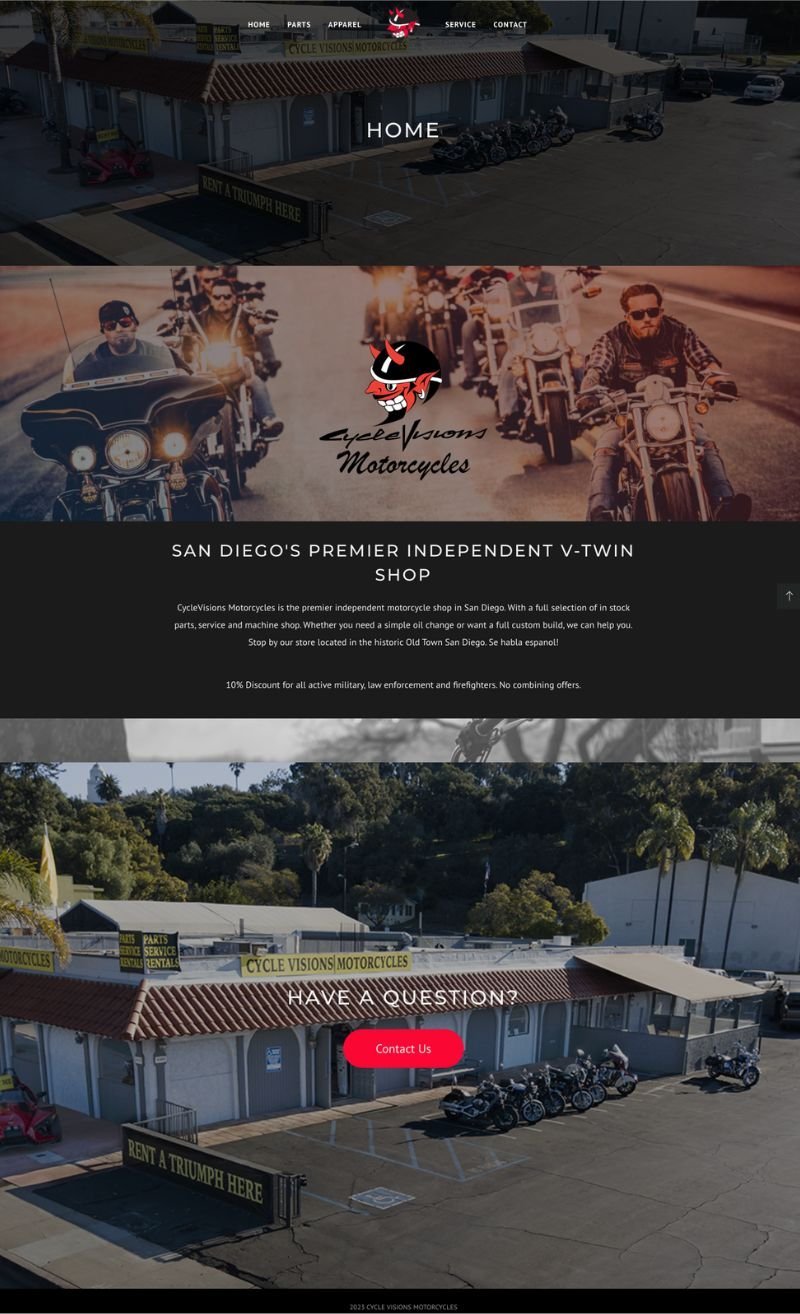
The website examples here show changes in design, presentation, and the way a business introduces its work. Notice how content, imagery, and page structure contribute to the overall experience.
A custom website design project gives us room to make those choices around your requirements. The aim is a website that explains the business and supports useful actions, rather than adding visual effects just because they’re available.
Use these examples to start a conversation about what you like and what your own website needs. Features and deliverables are agreed separately for each project.
Tell us how the feature should work, not just what it’s called. We’ll discuss the user experience, technical fit, and ongoing responsibilities before recommending an approach.
These are areas we can evaluate for a custom website development project. Specific functionality depends on feasibility and the agreed scope.
A useful inquiry form collects the information your team needs without making customers complete a questionnaire for no reason. Different services may need different questions or routing.
We can evaluate requirements such as conditional fields, service selection, and submission handling. Start by explaining what happens after a request arrives. That helps define the form and any connected process, including who receives the information and which parts need testing before launch.
Booking requirements vary. You might need a link to an existing scheduling service, an embedded appointment tool, or a more involved process with specific availability and confirmation rules.
We’ll discuss what you already use, what customers should be able to book, and which compatible options are practical. Third-party subscriptions and platform limitations need to be understood before choosing an approach. A booking feature belongs in the scope only once the expected behavior is clear.
A business with many services, resources, or project examples needs more than additional menu items. The content needs a structure that visitors and the people maintaining the site can understand.
We can discuss page types, reusable layouts, and ways of organizing related information. Filtering or directory-style features require their own review of the content, scale, and expected behavior. Custom website design should make that organization easier to use, rather than adding complexity without a reason.
If you want the website to connect with another business tool, start with the task and the information involved. Which system should receive it? What should happen next? What happens if the connection fails?
Forms, interactive elements, and third-party connections need a feasibility check before they’re promised. Available integrations, subscriptions, access, and maintenance requirements all affect the proposal. More specialized development may need a separate scope or an appropriate development arrangement, which we’ll discuss before committing to the work.
Product-based websites introduce additional decisions about catalog structure, product options, payments, shipping, and the steps a customer takes to purchase. Those requirements should be part of the initial conversation.
We can evaluate how an ecommerce component fits the wider project and which platform or tools are suitable. Custom design doesn’t remove the limits of a payment service or commerce platform. The agreed scope needs to identify the shopping features, content responsibilities, and testing involved.
Bring the idea, the existing workflow, or an example you like. We’ll discuss the requirements and what needs to be evaluated before building it.
Explore our portfolio for examples of how different businesses present their services and work. Look at the page organization, use of imagery, and the routes customers can take through each site.
Your project may need a different combination of those elements. We’ll discuss the actual design and functionality requirements rather than assuming that every portfolio example represents the same scope or budget.
A custom website design proposal should make the deliverables clear. These are the main parts to discuss, with the level of work and review agreed for your project.
Establish the requirements and agree how the site should be organized and presented. Design previews and review stages depend on the proposed scope.
Implement the approved layouts, responsive behavior, and features. Identify content responsibilities and third-party dependencies before they become surprises during the build.
Review the relevant pages, links, forms, and interactions before coordinating launch. Clarify access, documentation, and any included guidance or post-launch arrangements.
Sometimes a straightforward website is exactly what a business needs. If the main job is to share services, hours, and contact details, a simpler project may be a better use of the budget.
Custom website design makes more sense when the structure, visual requirements, or functionality need more planning and development. A larger project should have a reason behind it.
We’ll discuss your priorities and recommend the appropriate scope. You don’t need to buy a more involved website just because the option exists.
You need a professional online presence with straightforward information and a clear way to contact you. Explore our website design options if that describes your requirements.
You have specific requirements that deserve a tailored plan. The investment goes toward organizing, designing, and developing a website that supports those needs.
Start with the requirements. We’ll help you decide which kind of project is worth discussing for your business.
Share your goals, important features, budget range, and target timing so we can discuss your custom website design project.
Take a look at our broader website design services if you need a professional site without an extensive custom build.
A custom website needs decisions as well as development. We’ll agree on the requirements, review points, and responsibilities so you know how the project moves forward.
Your input matters throughout the process. Clear content, useful feedback, and an agreed decision-maker help keep the work focused. We’ll also discuss how new requests affect the scope and schedule.
Discuss the business, customers, content, brand, and functional requirements. Establish the pages, priorities, and scope, including what you’ll provide and which decisions need to be made before development.
Plan the structure and layouts, review the agreed design direction, and build the website using the chosen tools. Develop the responsive experience and configure the features included in the project.
Review the agreed pages and functions, address scoped revisions, and coordinate launch. Confirm the handoff, access, any included guidance, and the arrangements for future maintenance or additional work.
You bring the knowledge of your business and the vision for what comes next. We bring website planning, design, and implementation to turn the agreed requirements into a working site.
Our portfolio shows real business websites with different content and presentation needs. We bring that practical perspective to planning a custom website design project.
We’ll explain the recommendations and the decisions needed from you. Useful feedback and clear priorities help turn the design direction into an agreed plan.
The website should support your services, customers, and important tasks. We’ll discuss the reason behind features and design choices rather than following a visual trend by default.
Custom website design involves planning, design decisions, development, and testing. The cost depends on how much of each your project needs, not simply how many pages appear in the menu.
A site with several straightforward page types is different from one with detailed integrations, complex content, or specialized user interactions. Content migration and new copy can also change the scope.
Share your budget range and priorities early. We can discuss what’s realistic, what matters for launch, and what could be considered in a later phase.
We’ll define the proposed work before quoting. The agreement should address content, design reviews, development, testing, and launch responsibilities, with any optional work identified separately.
Hosting, software licenses, photography, copywriting, and continued support shouldn’t be hidden assumptions. Payment milestones, ownership and handoff terms, and changes to the scope also need to be clear before the project starts. A considered proposal is more useful than a starting price that leaves most of the work unexplained.
Let’s discuss your vision, requirements, and the investment involved in a custom website design project.
A more involved website can give different customers clearer routes, organize a larger range of services, and support specific tasks. Those are useful reasons to consider custom website design.
The aim is to solve identifiable problems and make future work more manageable. That takes decisions about the structure, editing experience, and tools, as well as the appearance.
It doesn’t mean predicting every future requirement or guaranteeing growth. It means understanding the likely next steps well enough to make sensible choices now.
If your business has several services or customer types, each needs an understandable place in the site. Planning those relationships early can make navigation and later content additions easier to manage.
Identify what is likely to grow, such as services, project examples, or resources. We can account for those possibilities in the page structure without building every future feature immediately. New functionality will still need its own review when the time comes.
Visitors need readable content, understandable navigation, and controls they can use. Mobile layouts, keyboard access, form labels, and clear feedback deserve attention as part of the design discussion.
The W3C introduction to web accessibility explains why people use websites in different ways. Any specific accessibility standard, audit, or testing requirement should be identified in the project scope. A good-looking screenshot alone doesn’t establish that a website meets those requirements.
Custom WordPress website design can use Elementor, professional themes, and appropriate plugins. The WordPress platform provides an established foundation that can be adapted to different websites.
The important decisions concern how the components support the agreed requirements and how they’ll be maintained. We’ll discuss those tradeoffs rather than implying that custom means every line of code is proprietary. A specialized feature may still require additional development or a different approach.
A new website needs accurate information and a plan for what happens after launch. If the copy needs substantial work, our content and SEO strategy services can be discussed alongside the build.
SEO-conscious page structure gives future work a starting point, but it isn’t a guarantee of traffic or rankings. Ongoing SEO services and website maintenance have separate responsibilities. Establish who will look after the finished site and which work belongs in each arrangement.
Custom website design means planning and developing the site around specific business requirements. The structure, layouts, and features are shaped by what your customers and team need. It can use established platforms and tools. Customization comes from the decisions and implementation, not a claim that every component was written from scratch.
A template provides a predefined starting point that can suit straightforward websites. A custom project involves more work to establish the structure, layouts, and functionality around particular requirements. The two can still use similar development tools. The difference is the scope of the planning and customization, not whether a page builder is involved.
The cost depends on design requirements, page types, content, functionality, and the work needed to test and launch the site. We’ll discuss the project before providing a quote. Sharing your budget range helps identify priorities and feasibility. No standard page count or advanced feature is assumed to be included without agreement.
Timing depends on the scope, technical complexity, content readiness, and review process. We’ll discuss a schedule after understanding those requirements. Delayed source material, new features, or changes to an approved direction can affect delivery. A useful timeline accounts for your input as well as the design and development work.
Yes. Custom WordPress website design can combine WordPress, Elementor, and appropriate supporting tools to deliver tailored layouts and functionality. We’ll discuss which approach suits your requirements and ongoing editing needs. Using established components doesn’t prevent customization, and the proposal should make clear where configuration ends and additional development begins.
We can evaluate features and integrations as part of the project discussion. Describe what the user should do and what needs to happen afterward. Compatibility, available access, third-party fees, and technical limits affect the options. We’ll establish feasibility and delivery arrangements before including specialized functionality in the agreed scope.
Responsive layouts and the relevant mobile interactions are part of the custom website design discussion. The content, navigation, forms, and agreed features need to be considered on appropriate screen sizes. Specific device, browser, or accessibility testing requirements should be confirmed when defining the project rather than assumed to cover every possible combination.
The build can incorporate SEO-conscious structure, headings, and the agreed page-level setup. That is different from an ongoing campaign involving research, content, technical improvements, and performance review. We’ll clarify the included foundations and any additional SEO work. A new custom website doesn’t automatically guarantee rankings, traffic, or inquiries.
The editing experience depends on how the website is built and which parts you need to manage. Tell us early if your team will update services, images, products, or articles. We can plan around those tasks and clarify any included guidance. Design changes and new functionality may still require development help.
Ongoing support can be discussed separately from the build. That may involve maintenance, hosting responsibilities, content changes, or additional development, depending on the agreement. We’ll clarify what happens at handoff and how future requests are handled. A custom website project doesn’t automatically include unlimited support after launch.
A custom project isn’t the right answer to every need. Explore other website options and the services that can support your site before or after launch.
Explore broader website design options for businesses that need a professional site without an extensive custom development project.
Discuss ongoing search strategy, content, and technical improvements beyond the SEO foundations included in a website build.
Get help with Google Business Profile optimization so customers find accurate business information alongside your website.
Have a specific problem with the current website? A focused repair may address it without starting a new design project.
Plan the ongoing upkeep and support for your website with responsibilities and limits that fit the agreed arrangement.
Develop clear service pages, useful articles, and website copy that works with your design and answers customer questions.
Tell us what you want to build, the features that matter, and your budget and timing. We’ll discuss a practical starting point for your custom website design project.