Your customers are searching. Can they find you?
Savage Web Solutions provides SEO services for businesses selling products and services, from companies serving their local communities to brands reaching customers across the country. We look at what you offer, how people search for it, and what your website needs to do better.
Keyword research, technical improvements, useful content, and ongoing optimization work together to give your business more opportunities to be found.
Start with your website and your goals. You don’t need to know which SEO task comes first.
Your products or services can be excellent while your website struggles to attract the right visitors. The problem may involve your content, website structure, technical setup, or the searches you’re targeting.

People search for products or services you offer, but your website gets little visibility. Being easy to find by business name doesn’t tell the whole story.

A busy website isn’t much help if visitors want something you don’t sell. Search intent matters as much as the number of people arriving on a page.

Your website gives a brief overview but leaves important services, products, or buying questions unexplained. Customers need the right information in a place they can find.

Important pages may be difficult to reach, excluded from indexing, or tangled in confusing navigation. Investigation helps separate meaningful problems from a long list of automated warnings.

Generic descriptions and outdated information make it harder to understand what you offer. Your pages should answer customer questions instead of just giving keywords somewhere to live.

You receive reports but can’t tell what changed or why it matters. SEO should come with clear priorities, a record of completed work, and useful context for the numbers.
Professional SEO services bring research, website improvements, and performance reviews together. These are the areas we can work on, with the actual tasks and priorities defined for your project.
Identify searches that fit your products, services, and customers. Understand the intent behind them and prioritize opportunities with a clear connection to your business.
Improve titles, headings, page organization, and internal links. Help important pages explain their purpose clearly and give visitors the information they need.
Investigate indexing, navigation, redirects, and other technical concerns. Focus the work on issues that affect relevant pages and deserve attention.
Develop or improve service information, product content, and useful supporting articles. Give each page a purpose instead of publishing more words for their own sake.
Plan around the markets you serve. Geographic targeting and broader service or industry searches can require different content and priorities.
Improve the way products, collections, and categories are presented and connected. Consider customer questions alongside the technical structure of your store.
Tell us what you sell, who you’re trying to reach, and what concerns you about your website. We’ll discuss the next step.
People search while researching a problem, comparing options, and deciding what to buy. Search engine optimization helps connect your website with those moments, then gives visitors useful information when they arrive.
People who already know your business can search for it directly. Relevant service and product searches offer another route for customers who haven't discovered you yet.
Someone comparing options needs different information from someone ready to order. Useful pages help address those needs at the right point in the decision.
Your offer, market, and website change over time. Ongoing reviews help connect the next round of work with what the business needs now.
A local contractor, a consultant, a neighborhood store, and an online retailer don’t need identical SEO plans. The products or services you sell and the markets you serve help determine the priorities.
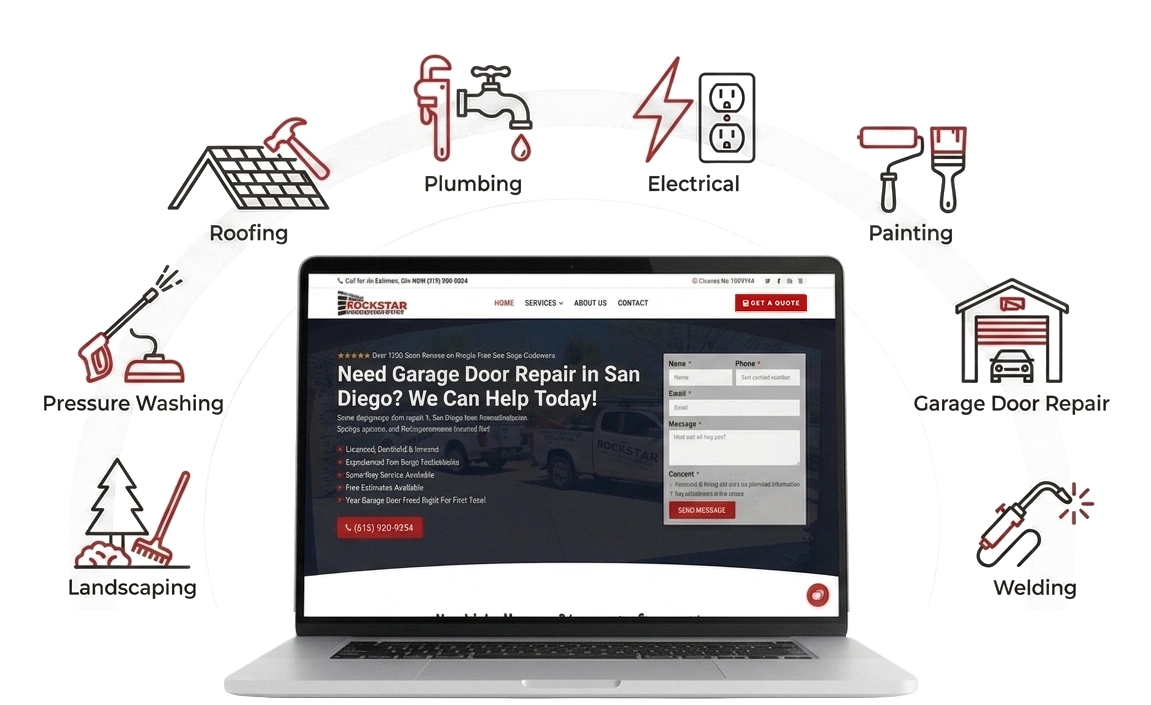
Local service businesses need pages that explain their work and the areas they genuinely cover. The focus is relevant local searches and suitable calls or inquiries. Our Local SEO Services page explores that approach in more detail.
Consultants and specialist providers may serve customers without a local restriction. Service details, industry questions, and clear explanations of expertise can matter more than adding city names to each page.
Shoppers may want to know what you carry, where the store is, and whether a visit makes sense. Relevant product information and accurate store details support those local buying decisions.
Online stores need useful product pages, organized categories, and a structure that supports browsing and search. The priorities should reflect your catalog and the questions customers ask before buying.
Search visibility brings people to a page. The website still needs to help them understand the business and decide what to do next. Clear content, sensible layouts, and useful contact or purchase options all deserve attention.
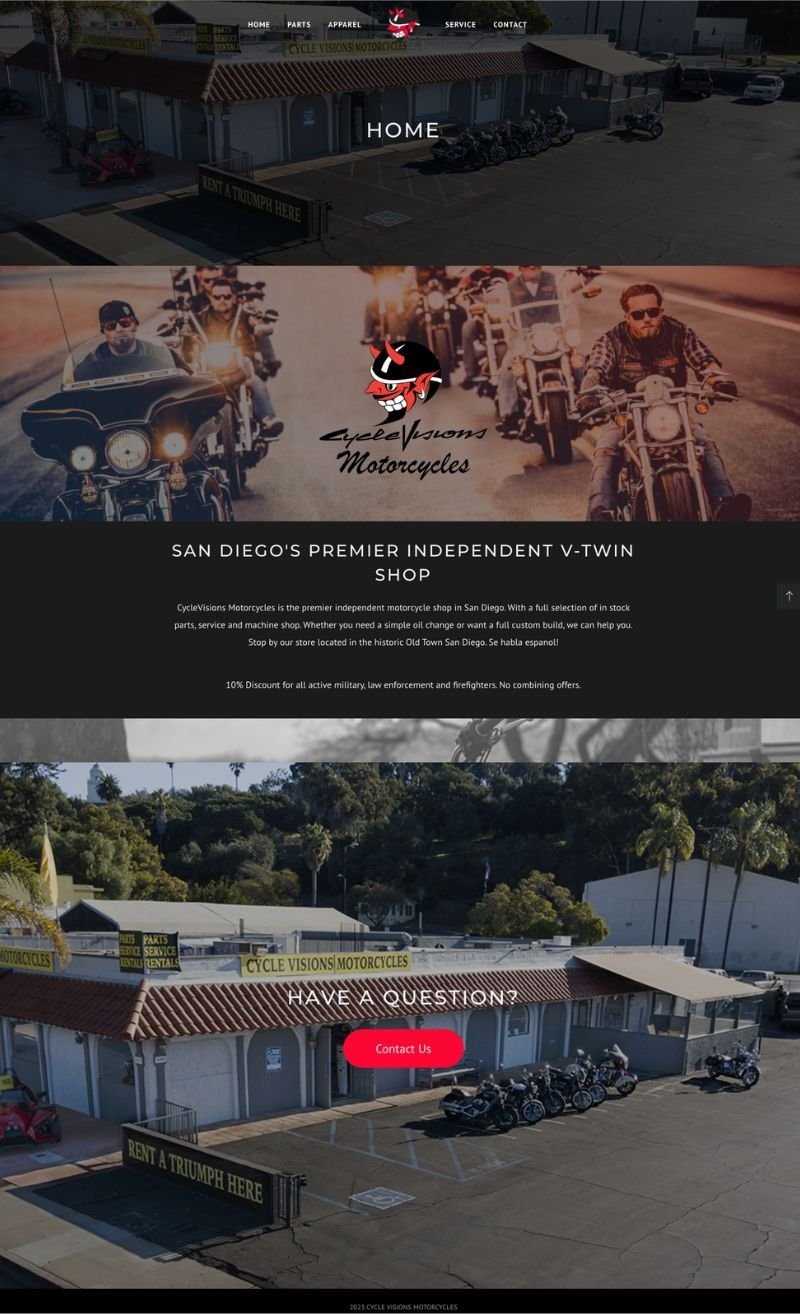
The comparison below shows website design work. It illustrates changes in presentation, not a measured increase in search traffic or sales.
The work depends on the website and its market. These are the main areas we consider when building a plan, rather than a promise that every task belongs in every agreement.
Research starts with what your business sells and who is likely to need it. We investigate the language people use, the questions they ask, and the kinds of pages appearing for relevant searches. A product comparison and an urgent service request call for different information.
We then connect useful opportunities with existing pages or identify where something is missing. The goal is a manageable set of priorities, not a huge keyword spreadsheet with no explanation of what to do next.
On-page SEO services can include improvements to titles, headings, page organization, descriptions, and internal links. The aim is to make the page’s purpose clear while helping visitors understand the product or service.
Content work may involve revising a service page, improving product details, or answering a question customers ask before buying. It needs a clear purpose and accurate business information. Our Content & SEO Strategy service provides focused research and writing when that is your main need. New writing and ongoing content production are defined in the agreed scope.
Technical SEO investigates how important pages can be discovered, accessed, and understood. Depending on the website, that may involve indexing settings, redirects, duplicate addresses, navigation, or page performance concerns.
Google’s SEO Starter Guide explains the foundations. Some fixes are small; others involve development or another provider. If a problem needs substantial website repair, we’ll discuss that work and its dependencies separately instead of quietly expanding the SEO agreement.
Ecommerce SEO services consider product pages and the routes customers use to reach them. A shopper may search for a specific item, a product type, or help choosing between options. Your catalog needs to support those different journeys.
For Shopify and WooCommerce sites, the work can include product information, collections or categories, internal links, and technical URL concerns. Google’s ecommerce site structure guidance explains why connections between pages matter. Product data, availability, and any structured information should reflect the real store. The scope depends on the catalog and the platform’s capabilities.
An ongoing plan should connect completed work with what we learn about the website. We review available search data, relevant landing pages, and properly tracked actions, then discuss the next priorities. Local businesses may also need focused Google Business Profile work, which should be identified in the scope.
Relevant mentions and links from other websites can be part of a broader discussion about reputation and discovery. That doesn’t mean buying a bundle of links or promising placements. Any outreach needs its own agreed approach.
Share your website, your products or services, and the customers you want to reach. We’ll help identify a sensible starting point.
Explore our portfolio for examples of website layouts, service information, and business presentation. These projects give you a closer look at the websites we build and improve.
For your SEO project, we’ll discuss the specific changes your website needs. The portfolio demonstrates website work; search performance needs its own data, dates, and context.
Service businesses need more than a list of things they do. Customers want to understand the work, whether you can help, and how to get started. Your geographic reach influences which pages and searches deserve attention.
Focus on the work you do and the areas you genuinely serve. Clear service details and relevant local information help customers decide whether to contact you.
Explain your specialty, the problems you solve, and how customers can work with you. Build pages around relevant services and industry questions beyond a single location.
Some services depend on location while others can be delivered remotely. Plan the page structure around those real differences instead of giving every service the same targeting.
Product searches can lead to a store visit, an online order, or more research before someone decides. Your SEO strategy should account for the way customers actually buy from you.
A retailer with a physical store may also ship nationwide. An online store may offer local pickup. These aren’t separate boxes you have to choose between. We can plan around the parts of the business that matter, using your actual inventory, markets, and fulfillment options.
Give nearby shoppers useful information about your products and store. That may mean improving product or category content, making store details easier to find, and reviewing how local customers discover the business. Availability claims need to stay accurate.
Help customers discover and evaluate products through relevant pages. Shopify SEO and WooCommerce SEO can involve catalog organization, product descriptions, technical improvements, and content that supports purchasing decisions.
Start with your goals or explore the investment. You don’t need a finished SEO brief.
Tell us about your website, what you sell, and the customers you’re trying to reach.
Explore SEO pricing, then discuss how your website and priorities affect the scope of work.
Useful SEO services start with understanding the business, then connecting research with practical changes. The exact tasks depend on your website, your market, and the scope we agree on together.
Discuss your goals, services or products, and existing website. Review available performance information and research relevant searches to identify the opportunities and problems worth prioritizing.
Work through the approved page, content, and technical tasks. Keep access needs, approvals, and outside dependencies visible, with additional projects discussed before they become extra work.
Review what changed and what the available data shows. Use those findings to explain progress, adjust priorities, and decide which improvements deserve attention next.
Search recommendations often turn into practical website tasks. Savage Web Solutions brings website design, content, troubleshooting, and optimization experience to the work, with direct communication about what your site needs.
SEO work needs to fit the site where it happens. We consider how content, structure, and functionality interact when recommending changes.
A relevant inquiry or product discovery matters more than traffic with no connection to your offer. Your business goals help guide the research and the work.
Know what has been completed, what the information suggests, and what's next. We'll explain recommendations in everyday language and be clear about what remains uncertain.
SEO services vary because websites and markets vary. A business with a few services needs a different scope from a store with hundreds of products, and a technically sound website starts in a different place from one with significant problems.
We’ll discuss your priorities, competition, content needs, and the improvements involved before recommending a scope. Research, implementation, reporting, and any tracking setup should be clear in the proposal.
Explore our pricing page for more information, then get in touch about your website. Specific deliverables, costs, and agreement terms are confirmed for the project rather than assumed from a general service list.
Some businesses need focused work on a defined problem. Others need continuing research, content, and optimization. We’ll discuss which approach makes sense and how additional work would be handled.
Let’s talk about your website and what you want it to accomplish. A useful plan starts with the right questions.
A bigger traffic chart doesn’t automatically mean more customers. Someone researching an unrelated topic and someone comparing your products can both count as a visit, but they represent different opportunities.
We look at search visibility, relevant visits, tracked actions, and business outcomes as distinct stages. Each tells part of the story, and each depends on the information available.
Reporting should explain what changed, what was completed, and what still needs investigation. Your feedback about lead quality and actual sales helps connect the website data with the business you’re running.
Google Search Console provides information about impressions, clicks, and searches associated with your website in Google Search. Those details help identify which pages are being discovered and which queries deserve a closer look.
An impression isn’t a visit. A search for your business name also means something different from a search for a product or service. We consider that context instead of treating every increase as the same kind of progress.
Look at where organic visitors land and what those pages are meant to help them do. A service page may need to support a quote request, while an informational article may answer an earlier question.
When tracking is configured correctly, form submissions and bookings can help show customer interest. A phone-link click is still a click, not proof that a call happened. Reports should distinguish recorded actions from confirmed inquiries and explain gaps in the tracking.
For an online store, product and category performance need to be considered alongside shopping activity. Properly configured ecommerce tracking can help investigate purchases associated with organic search, subject to attribution and tracking limitations.
Store records help verify orders, cancellations, and returns. Search Console doesn’t report customer revenue, and more product-page visits don’t establish that sales increased. We discuss what the data supports and where it needs context from your own records.
The most useful questions often happen after the website interaction. Was the inquiry suitable? Did the customer buy what you wanted to promote? Did the order or project make commercial sense?
Your feedback helps refine future priorities. Compare meaningful periods and account for changes such as seasonality, promotions, or a new product range. SEO reporting should support decisions about the business, with a clear distinction between observed changes and what can reliably be attributed to the work.
SEO services involve improving a website’s content, structure, and technical foundations to support relevant visibility in unpaid search results. The work can include keyword research, on-page improvements, technical investigation, content development, and ongoing reviews.
The right scope depends on what you sell and who you want to reach. A service company and an online store may use some of the same fundamentals while needing very different pages, priorities, and ways to measure progress.
Local SEO focuses on searches connected to specific geographic markets. National SEO generally aims to reach a wider audience without the same local requirement, often through service, industry, or product-related searches.
A business can need both approaches. You might serve nearby customers in person while providing another service remotely. Our Local SEO Services page explains geographic targeting in more detail.
Yes. Ecommerce SEO services can address product descriptions, collections, category pages, internal links, and technical store structure. Shopify and WooCommerce projects need attention to how customers browse as well as the searches they make.
The starting point depends on your catalog, current website, and commercial priorities. Improving every product at once may not be practical.
There isn’t one timeline that applies to every website. Your current condition, competition, the work required, and how search engines respond all influence what happens. Some changes may be reflected sooner; meaningful trends can take months to evaluate.
You should still understand what has been completed while the results develop. We’ll separate work delivered from changes observed and explain what the available information supports, rather than promise a particular position by a particular date.
Pricing depends on the website, competition, content needs, technical requirements, and amount of ongoing work. A focused project and a continuing campaign have different responsibilities.
Visit our Pricing page and get in touch to discuss your requirements. The proposal should make the deliverables, any initial setup, reporting approach, and agreement terms clear.
No. We can’t guarantee a first-page ranking, a number-one position, or a specific volume of leads or sales. Search results depend on systems and competing websites outside our control.
Our SEO services focus on research, useful content, appropriate technical improvements, and informed decisions about the next steps. We can agree on the work and how it will be reviewed.
Ongoing SEO can be useful when you need continuing content, optimization, and performance reviews. Your website, competitors, products, and customer needs can change over time.
That doesn’t mean every business needs the same monthly commitment. A defined project may be appropriate for a specific problem or set of pages. We’ll discuss the workload and your priorities, including how a focused project differs from ongoing support, before recommending an arrangement.
SEO works on visibility in organic, unpaid search results. Google Ads uses paid advertising placements. Paying for an ad doesn’t purchase a higher organic ranking, and SEO isn’t an advertising budget.
The two can support different parts of a marketing plan, depending on your goals and resources. This service covers the agreed organic search work. Any advertising setup or management would need its own scope rather than being assumed to come with an SEO project.
Content writing can be included when it is part of the agreed scope. That may involve service pages, product information, category content, or articles that answer useful customer questions. The proposal should specify the work rather than leave the amount of writing unclear.
If content is your main need, our Content & SEO Strategy service is available separately. You don’t have to start an ongoing SEO campaign just to get help with a defined writing project.
Completed website improvements don’t automatically disappear when ongoing SEO services end. However, further research, new content, and continued optimization stop when those responsibilities end. Search performance can still change as websites and markets evolve.
Your agreement should explain the term, notice requirements, access, and handoff arrangements. We don’t suggest that you must keep paying indefinitely to retain every ranking, or promise that performance will stay unchanged after the work stops.
A broader SEO plan may involve several kinds of work. These services also provide a starting point when you need more focused help.
Build or redesign a website when your content, structure, and customer experience need a broader change.
Explore location-focused optimization for businesses serving specific communities and geographic markets.
Get focused help with your Google Business Profile and the information customers find about your business.
Address a broken page, form, or feature with a defined repair project before adding more optimization work.
Keep ongoing website care organized. Routine upkeep and search optimization have different responsibilities.
Plan and write service pages, product content, and useful articles through a focused content project.
Tell us what your business sells, who you want to reach, and where your website needs help. We’ll discuss a practical next step.